
Baywatch Dodgeball and Taken Are the Unexpected Blockbusters That Defined an Era

Introduction: The Unexpected Blockbusters That Defined an Era
Some movies arrive with all the hype in the world. Others sneak up on you.
Have you ever watched a film that everyone thought would flop, only to see it become a cultural touchstone? You are not alone. Some of the most memorable movies in history were the ones nobody expected to succeed.

Take baywatch the movie, for example. When the 2017 adaptation of the classic TV series hit theaters, critics were skeptical. Based on the TV show, it seemed like a risky bet. Yet the film pulled in over $177 million worldwide on a $60 million budget, according to Box Office Mojo.
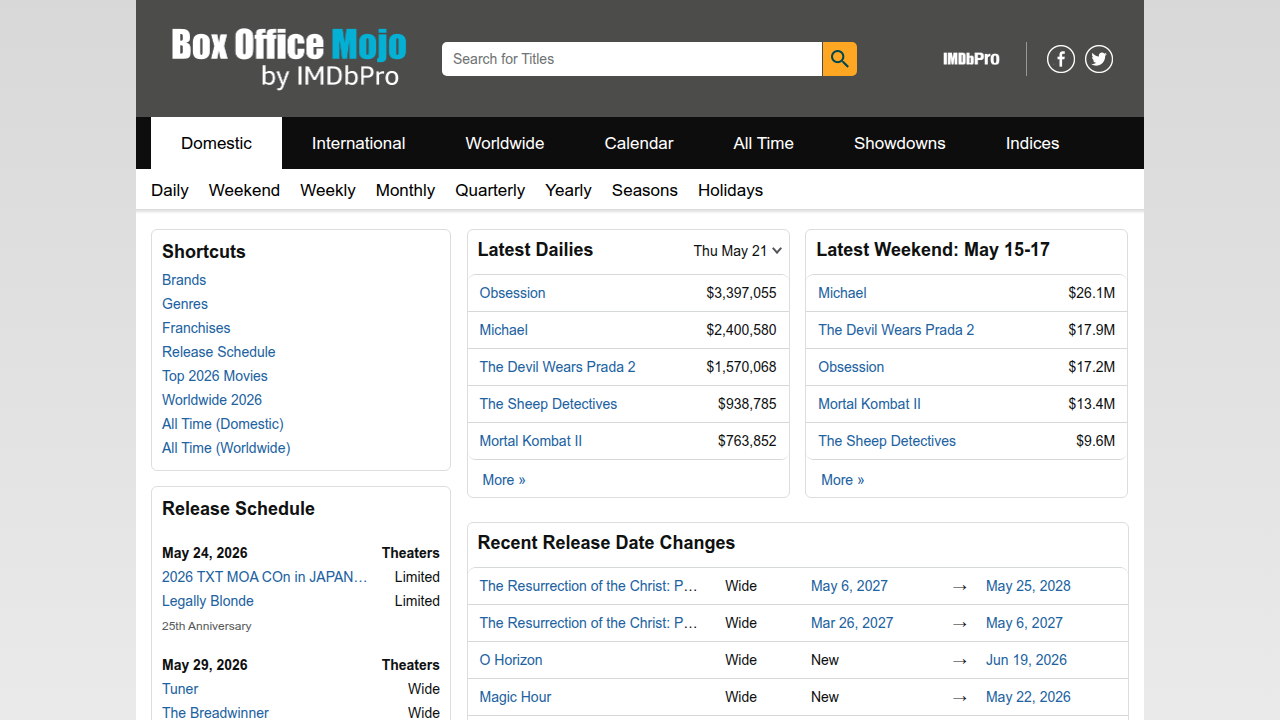
That is nearly three times its production cost. Not bad for a movie many wrote off before it even opened.
Then there is the dodgeball movie that became a comedy legend. Dodgeball: A True Underdog Story hit screens in 2004 with a simple premise: a group of misfits enters a Las Vegas tournament to save their gym. According to Wikipedia, the film follows unlikely heroes who need prize money to keep their beloved space alive.
What could have been a silly sports comedy turned into one of the most quotable movies of the 2000s.
And let us not forget taken the movie. The 2008 thriller starring Liam Neeson looked like just another action flick. Instead, it launched a franchise and gave us the now iconic line about a very particular set of skills. It proved that sometimes the simplest stories hit the hardest.
These three films may seem different on the surface. One is a beach comedy. One is a sports spoof. One is a revenge thriller. But they all share something important. Each one defied low expectations to become a beloved classic in its own way.
Here is the thing. Understanding why these movies worked can teach us a lot about storytelling. Whether you are a filmmaker looking for inspiration or just a fan who loves revisiting old favorites, there is something to learn from their success.
If you enjoy discovering films that stand the test of time, you might also like exploring time travel movies that challenge how we think about narrative. These unexpected hits prove that the best stories often come from the most unlikely places.
Next up, we will dive into the dodgeball movie and how it became the underdog comedy that refuses to be forgotten.
Baywatch the Movie: Reboot, Nostalgia, and Mixed Reception
You probably remember the original Baywatch TV show. It had slow motion running, red swimsuits, and a whole lot of beach drama. So when Hollywood decided to bring it back as a movie in 2017, everyone had an opinion. Could a reboot really work?
The 2017 baywatch the movie starred Dwayne Johnson as Mitch Buchannon and Zac Efron as a cocky new recruit. The plot was simple. A drug lord threatens the beach, and the lifeguards have to stop her. According to Wikipedia, the film follows Mitch and his team as they try to save their beloved bay from a criminal takeover. It felt like a classic buddy comedy mixed with action.
The movie leaned hard on nostalgia. If you grew up watching the show, you would recognize the characters and the sunny vibe. The filmmakers knew that. They added inside jokes and callbacks to the original series. But here is the thing. Nostalgia alone is not enough to make a great film.
What Critics Said vs. What Audiences Saw
Critics were not kind. On Rotten Tomatoes, the movie earned a low score from reviewers.

Many called it lazy, pointless, and confusing. One review from Cereal At Midnight said it simply was not a good movie. Another from Dagon Dogs called it insulting and stupid.
But audiences did not always agree. Some people found it fun. A review on Rotten Tomatoes from a fan said it delivered exactly what they wanted: a loud, colorful, self-aware summer comedy. Others appreciated the chemistry between Johnson and Efron.

As Perks of Being Nath put it, the film stayed afloat because of their charisma.
The Financial Side: A Surprising Success
Here is where things get interesting. Despite the critical bashing, baywatch the movie made money. According to Box Office Mojo, it earned over $177 million worldwide. The Numbers reports a production budget of about $60 million.
That means the movie earned nearly three times its cost. Not a bad return.
Most of the money came from international markets. Domestic sales were about $58 million, while international brought in over $119 million. So while critics hated it, people around the world still bought tickets.
What This Teaches Us About Reboots
Rebooting a beloved TV show is risky. You have to please old fans while attracting new ones. The Baywatch movie tried to do both. It used star power, nostalgia, and a self-aware tone. But many felt it missed the mark. Some writers argued that this kind of reboot culture had gone too far. An article from Inverse suggested that making fun of old cheesy shows had become a tired subgenre.
Still, the movie found an audience. It proves that even flawed reboots can connect with people if they offer enough fun and familiar faces.
The Cultural Footprint
Even years later, people remember baywatch the movie as a curious moment in pop culture. It did not change cinema. But it showed that nostalgia is a powerful force. And in 2026, there is even talk of a new TV reboot. According to Movieguide, a 12-episode series is set to debut in the 2026-2027 season. So the franchise is not done yet.
If you enjoy exploring movies that defy expectations, check out our curated lists. You might find your next favorite film. Browse All Lists and discover hidden gems across genres.
Next up, we look at the dodgeball movie and how a silly sports comedy became a lasting classic.
Taken: The Sleeper Hit That Redefined the Action Genre
Can a serious actor become an action hero at age 56? Before 2008, nobody would have guessed yes. Then came Taken. This simple thriller turned Liam Neeson into an unlikely action star. And it changed what people expected from action movies.

A Simple Premise with a Powerful Hook
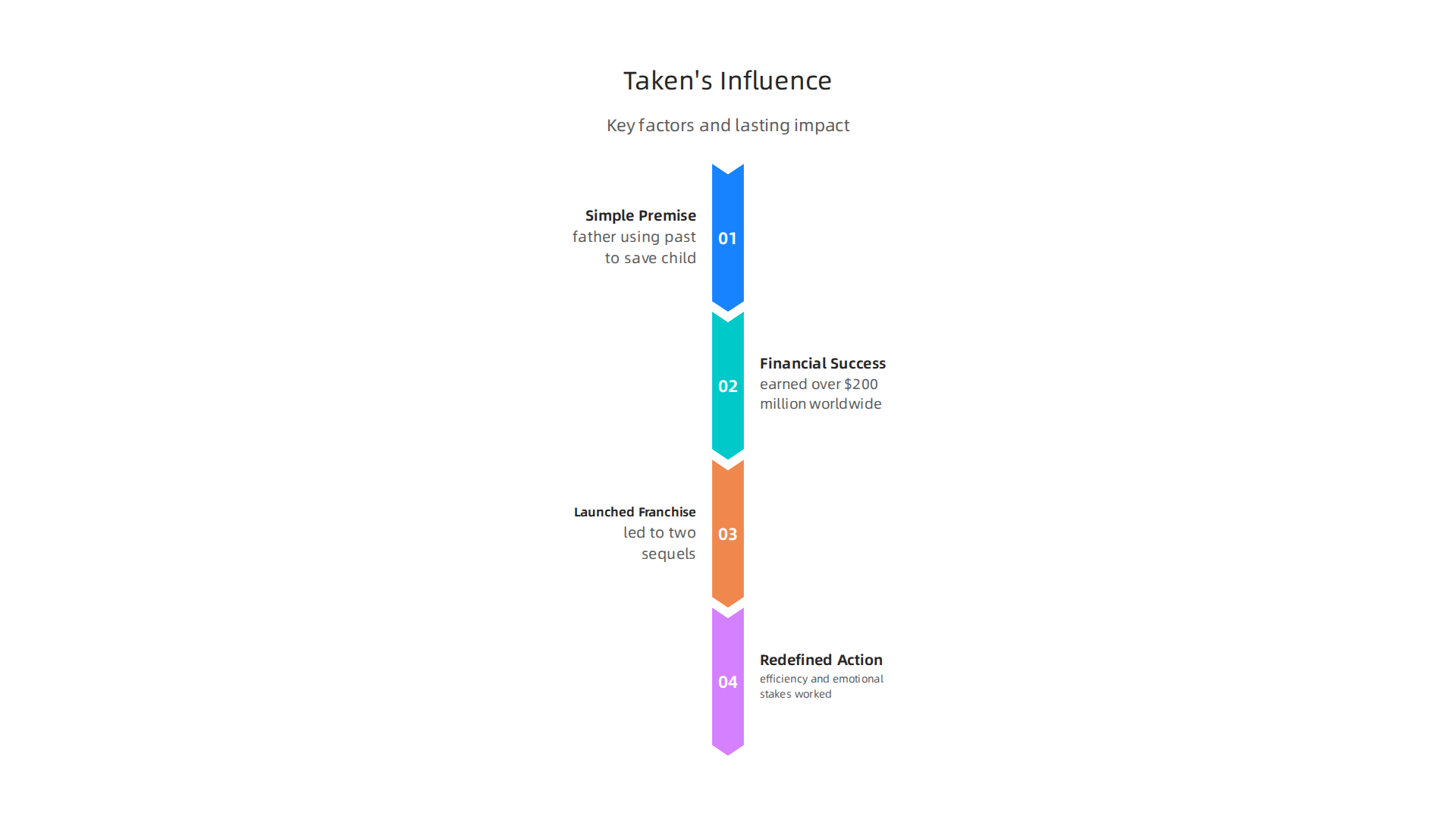
The story is easy to follow. A retired spy named Bryan Mills (Liam Neeson) has one special skill. His daughter gets kidnapped while traveling in Paris. He has 96 hours to find her. That is it. No complex plot, no super villains. Just a father using his past to save his child.
The dialogue became legendary. The phone call scene where Neeson says "I will look for you, I will find you, and I will kill you" is one of the most quoted lines in movie history. That one line turned taken the movie into a marketing goldmine. Trailers, posters, and interviews all used it. People who had never seen the film could repeat it.
The Financial Surprise
Taken did not have a huge budget. It cost around $25 million to make. But it earned over $200 million worldwide. That is an eight times return on investment. Studios noticed. Suddenly, every producer wanted to make a gritty, low-budget action movie with an older lead. It proved you did not need a big star or big explosions to make money.
Spawning a Franchise
The success led to two sequels. Taken 2 came out in 2012, and Taken 3 in 2014. Neither matched the original in quality or impact. But the franchise still made hundreds of millions. It also inspired a TV series and countless imitators. Before Taken, movie studios thought action heroes had to be young and muscular. After Taken, gray-haired actors like Keanu Reeves and Denzel Washington got more action roles.
Changing Audience Expectations
Before Taken, action thrillers often relied on high-tech gadgets and huge chase scenes. This movie proved that efficiency and emotional stakes could work just as well. Every scene serves the plot. There is no wasted time. Audiences loved the no-nonsense approach. They began to expect action heroes who were smart, ruthless, and relatable.
Even in 2026, the influence of taken the movie is clear. Many modern action films use the same formula: a skilled protagonist, a personal mission, and a tight time limit. It has become a blueprint.
If you want more recommendations like Taken, check out our curated lists. We pick movies that deliver real thrills. Browse All Lists and find your next favorite action hit.
Dodgeball: When Underdog Comedy Strikes Gold
Just like taken the movie proved an older actor could lead a serious thriller, dodgeball movie proved that a simple underdog comedy could beat the odds. Released in 2004, Dodgeball: A True Underdog Story did not have a flashy budget. But it had something better. It had a cast that clicked perfectly.
Vince Vaughn played Peter LaFleur, the easygoing owner of Average Joe’s Gym. Ben Stiller played White Goodman, the loud and arrogant owner of Globo Gym. Around them, actors like Christine Taylor, Justin Long, Alan Tudyk, and the legendary Rip Torn brought the laughs. Their timing made every scene work. People still quote lines like "If you can dodge a wrench, you can dodge a ball" today. The humor became part of everyday conversation.
Why the Underdog Story Worked
The core of Dodgeball is simple. Average Joe’s Gym is about to be bought by Globo Gym. To save their gym, a team of misfits must win a Las Vegas dodgeball tournament and a $50,000 prize.
This underdog narrative is easy to love. We watch ordinary people face a corporate machine. They are not super athletes. They are just people who do not want to lose their home. Audiences connected with that struggle.

Before virgin 40 movie set the standard for aughts comedies, Dodgeball already mastered the formula of mixing heart with silly humor.
The Financial Slam Dunk
Here is the surprising part. The movie had a modest budget of about $20 million. But it earned over $168 million worldwide. That makes it one of the most profitable comedies of the 2000s.
Compare that to baywatch the movie released in 2017. That film had a budget of around $65 million and big stars like Dwayne Johnson and Zac Efron. According to The Numbers, the worldwide box office was just 2.9 times the budget. While Baywatch made its money back, a Wikipedia analysis notes the film "attracted negative reviews from critics" despite its commercial success. In contrast, Dodgeball still holds a spot in pop culture. People still talk about the dodgeball final today.
Your Next Underdog Watch
The same spirit drives many of the time travel films we recommend. If you like stories where determination changes everything, you will find a lot to love. Check out our list of the 10 Best 80s Movies for more cult classics with that same underdog magic.
And if you want to explore more films where characters beat impossible odds, we have you covered. Browse All Lists and find your next favorite movie today.
What These Three Movies Have in Common: A Comparative Analysis
Taken, Dodgeball, and Baywatch the movie look like totally different films. One is a serious thriller. One is a silly comedy. One is a big budget action remake. But when you step back, they share something special.

All three movies rely on simple, high concept premises that anyone can understand in one sentence. Taken the movie is about a father who must rescue his daughter from human traffickers. Dodgeball movie follows a group of misfits who enter a tournament to save their gym. And Baywatch the movie? It is about a team of lifeguards who uncover a criminal plot while protecting the beach. Each idea is clear, easy to market, and instantly hooks your interest.
Strong Characters You Remember
Every one of these films features strong, archetypal characters that stick with you. In Taken, you have the determined father who will do anything. In Dodgeball, you have the underdog team of lovable losers. And in Baywatch the movie, you have the nostalgic team of iconic lifeguards with modern twists.
According to the TV Tropes page for Dodgeball, the characters follow classic archetypes like the "Amusingly Zany Sidekick" and "The Rival." That familiarity makes them easy to root for. You know exactly who to cheer for and who to boo.
Success Despite Mixed Reviews
Here is the interesting part. All three movies succeeded even when critics were not fully on board. Taken earned over $226 million worldwide against a modest budget. Dodgeball got mixed reviews but became a cultural phenomenon. And Baywatch the movie? According to a 2026 Los Angeles article, the brand is so strong that a new Baywatch series reboot is boosting the local economy through tax incentives. That shows the power of audience engagement over critical approval.
We see this pattern a lot in entertainment today. A 2026 YouTube analysis asks whether nostalgia is ruining culture, pointing out how much media relies on familiar brands and stories. But maybe it is not about laziness. Maybe it is about connection. When a film gives you simple stakes, strong characters, and a feeling you remember, you show up again and again.
These three movies prove that a clear premise and relatable characters can win over any audience, regardless of what critics say. That is a lesson every filmmaker should remember.
If you enjoyed looking at movies this way, you will love our other deep dives. Check out Creed and Rush movies prove action drama can be emotional for another comparison that shows how themes connect across genres.
And if you are ready to find your next watch, we have you covered. Browse All Lists and discover more films built on the same powerful ideas.
Lessons for Filmmakers: What Made These Movies Work
So what can you take away from Taken, Dodgeball, and baywatch the movie? These three films teach real lessons that help any filmmaker or storyteller, whether you are writing a thriller, a comedy, or an action blockbuster.

Lesson 1: Invest in a Strong, Relatable Premise
The first and most important lesson is this: a simple premise beats a complicated plot every time. Audiences do not need a tangled web of twists. They need a clear idea they can grasp in one sentence.
Look at each film. In Taken, a father rescues his daughter. In the dodgeball movie, misfits save their gym by winning a tournament. And in baywatch the movie, lifeguards stop a drug lord. These concepts are not genius. They are relatable. They tap into universal feelings like protection, underdog hope, and teamwork.
According to Wikipedia for Baywatch (film), the movie grossed $177.9 million worldwide on a $65 to $69 million budget. Not bad for a film that plenty of critics panned. On Rotten Tomatoes , one fan review says it "delivered exactly what I wanted: a loud, colorful, self-aware summer comedy." That is the power of a strong premise. It tells the audience exactly what to expect, and they show up for it.
Invest your energy in boiling down your story to its most basic, powerful idea. The cleaner the pitch, the easier it is to market and the more people connect with it.
Lesson 2: Memorable Characters and Quotable Lines Create Long-Term Cultural Value
A good movie fades. A movie with characters people love and lines they repeat sticks around for years.
The dodgeball movie is a perfect example. Who does not know "If you can dodge a wrench, you can dodge a ball"? That line lives on long after the credits roll. The characters are classic archetypes: the underdog, the bully, the weird sidekick. The TV Tropes page for Dodgeball breaks down how these archetypes make the story easy to follow and fun to watch.
For baywatch the movie, the characters also stand out. One reviewer from Perks of Being Nath notes the film "just about stays afloat because of the chemistry and charisma of Johnson and Efron." That chemistry turns average scenes into moments people remember. When you create characters that feel real or funny or heroic, audiences return to them. They quote them. They share them.
So focus on character first. Give them clear motivations and a few lines that feel natural but also quotable. Those lines become free advertising for your movie.
Lesson 3: Franchise Potential Can Be Built Organically from a Single Successful Film
Here is the surprising part. You do not have to plan a whole franchise from day one. Sometimes one movie does so well that it naturally creates opportunities for more.
Look at Taken. It started as a standalone movie. Then it became a trilogy. The same thing happened with the dodgeball movie. There is talk of a sequel years later. And baywatch the movie? Despite mixed reviews, the brand keeps going. According to a Movieguide article , a new Baywatch reboot series is greenlit for the 2026-2027 season. That is almost a decade after the 2017 film. The franchise potential came from the existing fanbase, not from forcing a sequel.
The lesson is simple. Do not worry about building a universe. Worry about making one film that people genuinely enjoy. If you do that well, the door opens naturally for more stories. The franchise builds itself.
Final Takeaway
These three movies prove that a clear premise, strong characters, and authentic connection are worth more than complex plotting or critical praise. Whether you are writing a script, producing a film, or just picking your next watch, keep these lessons in mind.
If you want to explore more movies with similar power, check out our deep dive on how One Day movies deliver emotional payoff other time travel films can’t match. And for your next watch, Browse All Lists to find films built on simple ideas that stick.
Summary
This article explores how three very different films—Baywatch (2017), Dodgeball: A True Underdog Story, and Taken—defied expectations to become commercially or culturally successful. It compares critical reception, box-office returns, and the simple high-concept premises that made each film easy to market and remember. The piece shows how memorable characters, quotable lines, and clear stakes can overcome weak reviews or modest budgets, with concrete examples and numbers like budgets and worldwide grosses. It also traces how a single successful movie can organically spawn sequels, TV adaptations, or renewed franchise interest. The analysis highlights practical lessons for storytellers and filmmakers about focusing on premise, character, and marketable hooks. Read on to see how these films succeeded, what they share, and how you can apply those lessons to your own projects.