
The Purge Movies Expose the Cost of Being the World’s Police

Introduction: Why The Purge Captures America’s Darkest Fears
Imagine if once a year, every crime became legal for 12 hours. That is the simple yet terrifying idea behind the purge movies.
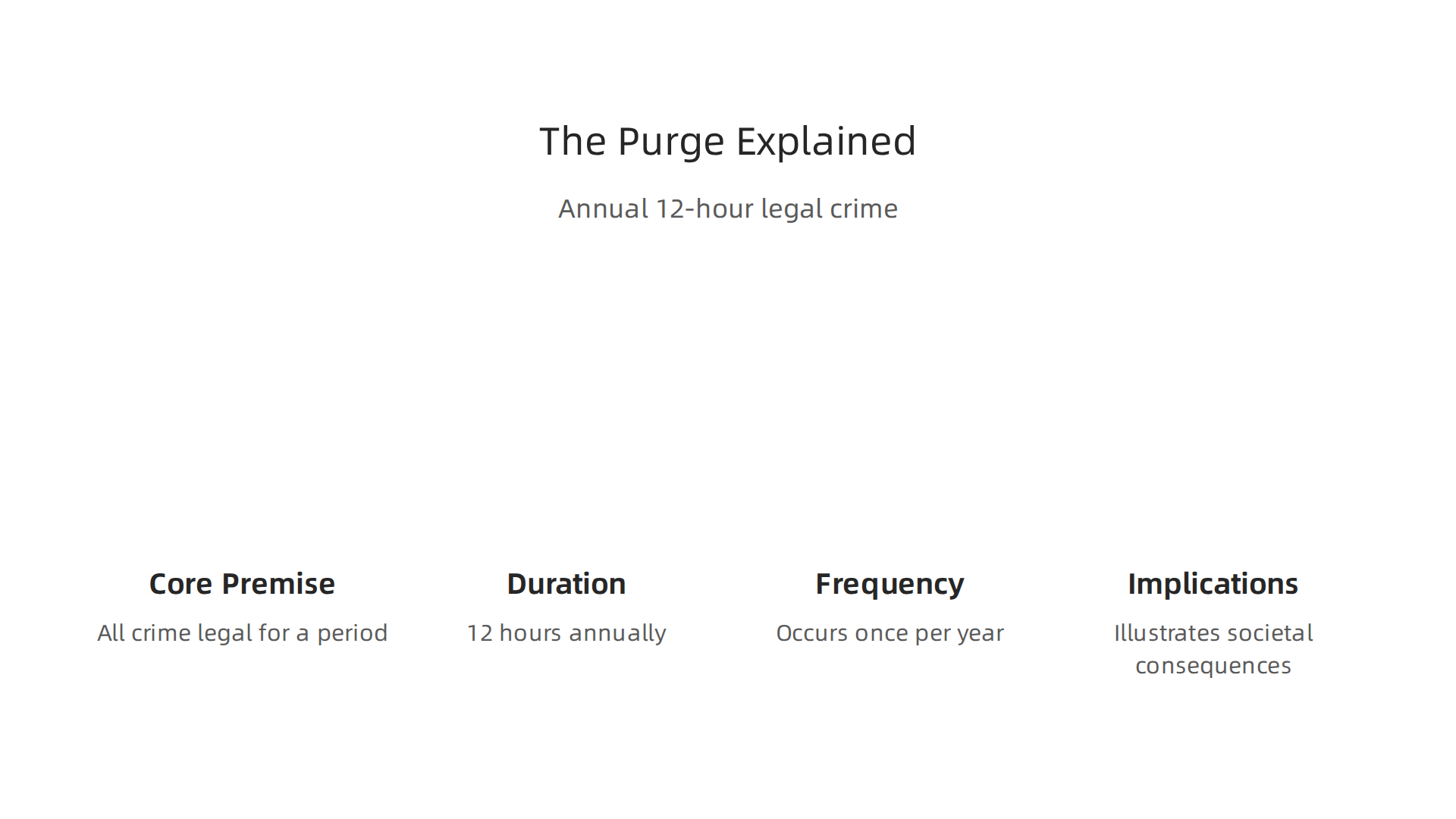

What started in 2013 as a low-budget horror film quickly grew into a full franchise that makes us think about real-world problems.
The first movie showed us a future America where the Purge helps the ruling party stay in control. As noted in a clear guide to the movie rules, this setup offers a sharp warning about unchecked power and the loss of civil rights. It is a simple premise but one that opens the door to big questions.
The series holds a mirror to American anxieties about class, violence, and global power.

In fact, the unrestrained violence in these films reflects real fears about what happens when law and order break down. Some critics view the series as a critique of America’s own tendency toward state-sanctioned violence overseas, connecting it to the idea of a usa world police movie.
This article explores the purge movies, their political commentary, and how they tie into the broader ‘USA World Police’ trope in cinema. We will also touch on other franchises that explore similar themes, like the fast and furious movies in order and even comedies such as scary movie 4, to see how different genres tackle issues of power and control.
After we break down the core films, you will discover how these stories connect to bigger questions about society. If you enjoy thinking about films that challenge the status quo, you might also like exploring other hidden gems on our site. Browse All Lists to find more thought-provoking cinema that makes you look at the world differently.
The Genesis of The Purge: How a Low-Budget Thriller Became a Franchise
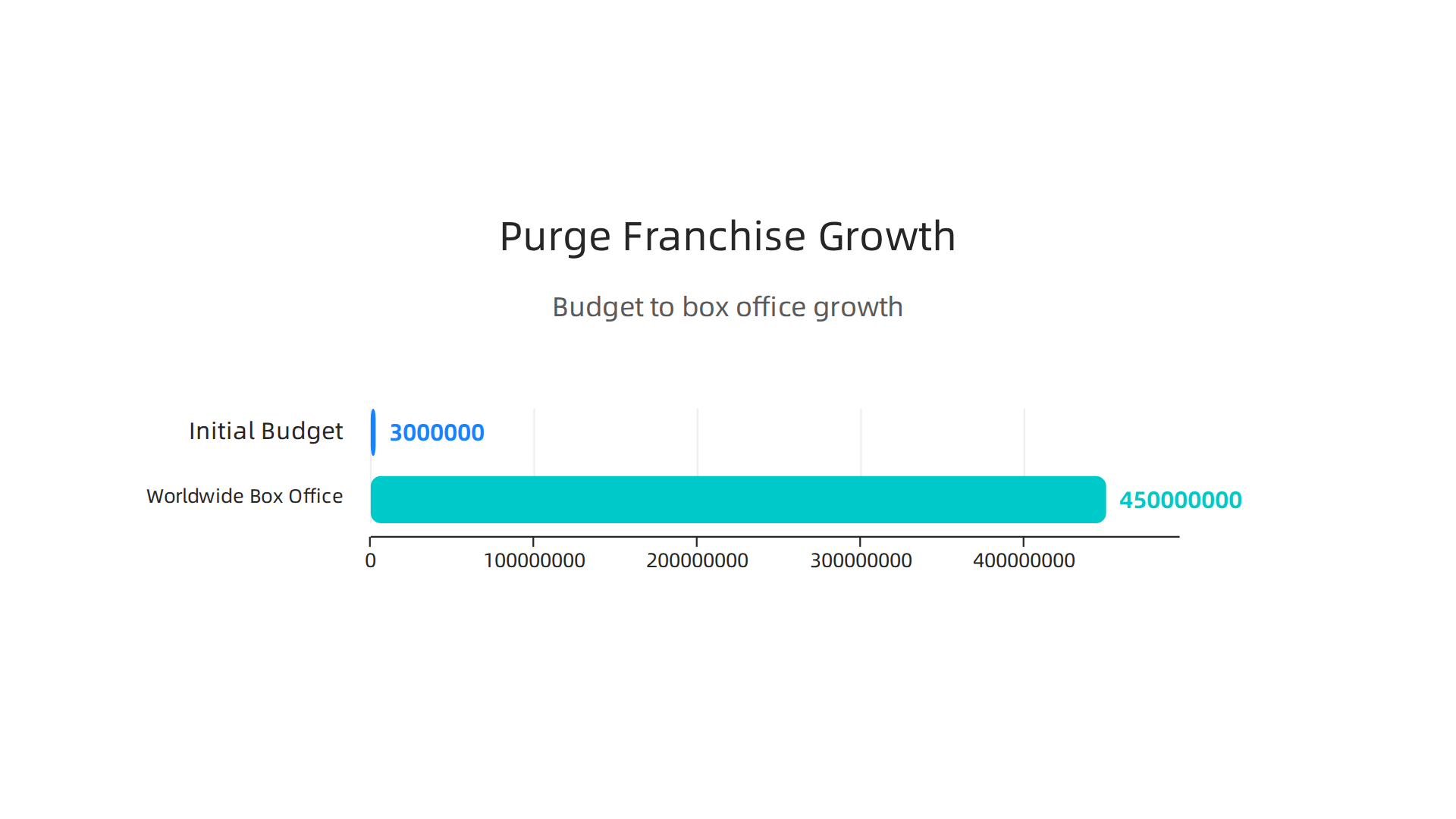
Back in 2013, nobody expected a small horror movie with a weird idea to become a giant franchise. The first Purge movie was made on a tiny budget of just $3 million. Most Hollywood horror films cost much more. But this one had something special.
The idea was simple. In a future America, one night each year all crime becomes legal. No murder charges. No theft laws. No rules at all. Writer and director James DeMonaco created this concept to talk about real issues. He wanted to show how violence connects to class and power.
The original film starred Ethan Hawke as a wealthy man fighting to protect his family during the Purge. It was a tense home invasion thriller. The budget was very small, so most of the action took place inside one house. According to The Numbers, the film cost just $3 million.
Then something surprising happened. People loved the idea. The movie opened at number one at the box office. It earned over $89 million worldwide. An oral history of the franchise describes how DeMonaco quickly got the chance to expand the story.
This success led to sequels with bigger budgets and bigger ideas. The second film, The Purge: Anarchy, cost $9 million. It moved the action from one house to the streets of a city.

Later films like The Purge: Election Year ($10 million) and The First Purge ($13 million) explored the political origins of the event. Box Office Mojo shows how each film grew in scope.
Across five movies, the franchise has earned over $450 million against combined production budgets of just $53 million. The Ultimate Pop Culture Wiki calls this one of the most profitable horror franchises ever.
So what made these purge movies so successful? The answer lies in how they expanded the world. Each sequel answered a new question. What happens on the streets during the Purge? How did the Purge start? Who really benefits from this system?
The films also grew their political commentary. Later entries critique the idea of a usa world police movie. They show a government that uses violence to control its own people and other nations. This gave the franchise a deeper meaning beyond just scares.
If you enjoy franchises that grow from small beginnings, you might also like following the fast and furious movies in order. That franchise started as a simple street racing film and grew into a global action series. Different genres, but the same growth pattern.
Fans of satire might also appreciate scary movie 4. It pokes fun at horror and sci-fi tropes. It shows how comedy can also make us think about big issues.
The purge movies proved that a small idea with a big message can go a long way. From a $3 million thriller to a $450 million franchise, this series changed how we think about fear, power, and society.
For those who enjoy discovering how small films grow into big franchises, check out our list of 10 Wesley Snipes Movies Every Action and Sci-Fi Fan Needs to Watch. You might find some hidden gems.
Next, we will explore the key films in the franchise and what each one says about the world we live in. If you are ready to discover more cinematic gems, Browse All Lists to find your next favorite film.
The Social and Political Commentary in The Purge Movies
The purge movies are not just about scares. They use horror to tackle real social issues. Each film focuses on a different problem in American society. That is what makes them more than simple thrillers.
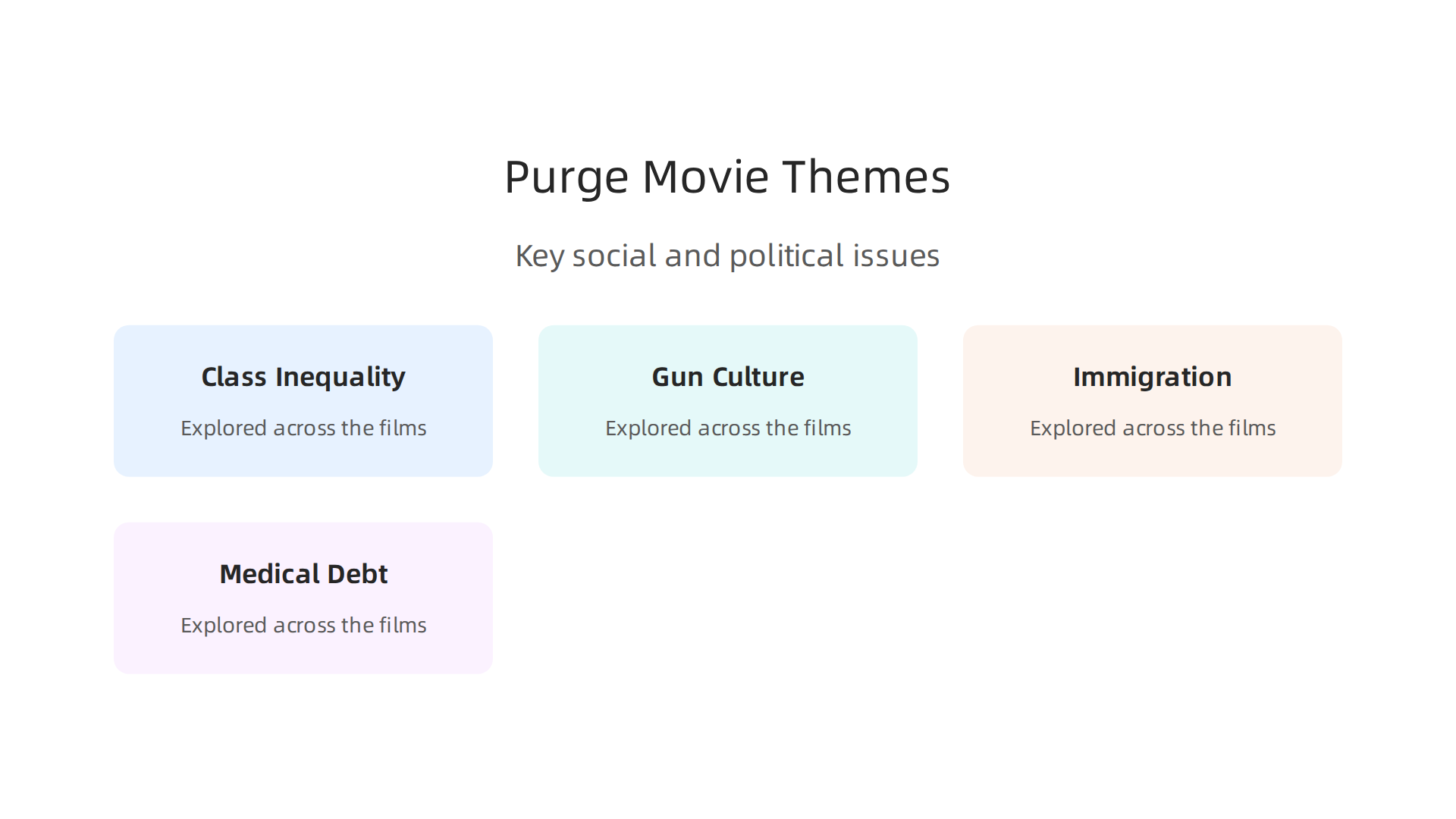
The first film is about class and inequality. The rich family inside the safe house represents the wealthy. The poor people outside trying to break in represent everyone else. The movie shows how the rich can buy safety while the poor suffer. This idea comes from real concerns about income inequality in the United States.
The second film, The Purge: Anarchy, expands the story to the streets. It shows how the system hurts poor communities the most. A blog post about the franchise explains that the Purge allows the government to control who lives and who dies. It is a way to keep power in the hands of a few.
The third film, The Purge: Election Year, focuses on immigration. The main character is a senator who wants to end the Purge. She is targeted by the New Founding Fathers of America, or NFFA. This group is a stand-in for extreme political ideologies. The TV Tropes page describes the NFFA as a radically conservative party that uses the Purge to stay in power. The film also shows how violence is used against immigrant communities.
The fourth film, The First Purge, goes back to the beginning. It shows how the NFFA created the Purge as an experiment. The first event took place on Staten Island. The goal was to lower crime and unemployment. But the real purpose was to target poor and minority populations. A CineSPEAK article calls this revolutionary horror that inspires viewers to fight against oppressive systems.
Each movie also critiques gun culture and authoritarian surveillance. The Purge is supposed to be a release of violent energy. But a Substack analysis argues that it actually serves as a controlled outlet that keeps the system stable. The rich use the Purge to eliminate people they see as a threat.
The franchise also comments on medical debt. In The First Purge, characters participate in the Purge to pay off medical bills. This reflects a real crisis in American healthcare. The system forces people into impossible choices.
If you enjoy stories that make you think about society, you might also like [internal link 1] or [internal link 2]. Both explore how systems affect ordinary people.
The purge movies prove that horror can be more than just jump scares. They use fear to start conversations about real problems. From class to immigration to medical debt, each film shines a light on issues that matter.
If you want to explore more films that mix entertainment with deeper meaning, browse our full list of movie recommendations. Browse All Lists to find your next thought-provoking watch.
The ‘USA World Police’ Trope in Cinema and Its Connection to The Purge
You have seen the trope many times. America steps in to save the world. In films like Independence Day, American Sniper, or even some entries in the fast and furious movies in order, the United States acts as a global enforcer. The idea is that America has the power and the right to fix problems everywhere. This "USA world police movie" idea is a staple of action cinema.
The purge movies take this idea and flip it. Instead of looking outward, they look inward. The Purge: Election Year is the clearest example. The New Founding Fathers of America (NFFA) are not just a domestic political party. They want to export their vision of order. The NFFA believes that the Purge makes America strong. A strong America can then project power around the world. The film shows how the government uses foreign policy to justify domestic violence. The Wikipedia page for the franchise explains that the Purge is an annual event where all crime is legal for 12 hours. The government frames this as a necessary release for the nation.
But the true connection is even darker. The "world police" mentality requires a pure home base. You cannot enforce order abroad if your own country is messy. The NFFA uses the Purge to eliminate anyone they see as a threat. The poor, the sick, and the immigrant become targets. The CineSPEAK article describes this as a system where the wealthy eliminate "undesirables" to maintain power. The NFFA purges its own people to appear strong to the rest of the world.
A Substack analysis of the film argues that the Purge provides a controlled outlet for violence. This keeps the system stable. It is a form of domestic population control disguised as freedom. The USA world police trope in other movies never shows this side. The purge movies pull back the curtain. They show the cost of being a global superpower.
If you enjoy films that make you think about power and control, you might also like our list of thought-provoking sci-fi films. It includes stories with similar themes of identity and perspective.
For a lighter but equally clever take on identity, try the Ridiculous series. It is a sci-fi comedy that bends perspective for laughs and meaning. It will make you question everything, just with more smiles. Read Book 1 to start the absurd adventure.
Character and Narrative Evolution Across The Purge Movies
The first Purge movie traps you in a house with a family. They are not heroes. They are not fighters. They are just people who want to survive until morning. The main character, James Sandin, is a wealthy security salesman who believes the system works. He does not question the Purge. He just locks his doors and waits. That is the starting point.
But a good character arc shows someone changing. Over four films, the protagonists of the purge movies evolve from passive survivors into active revolutionaries.
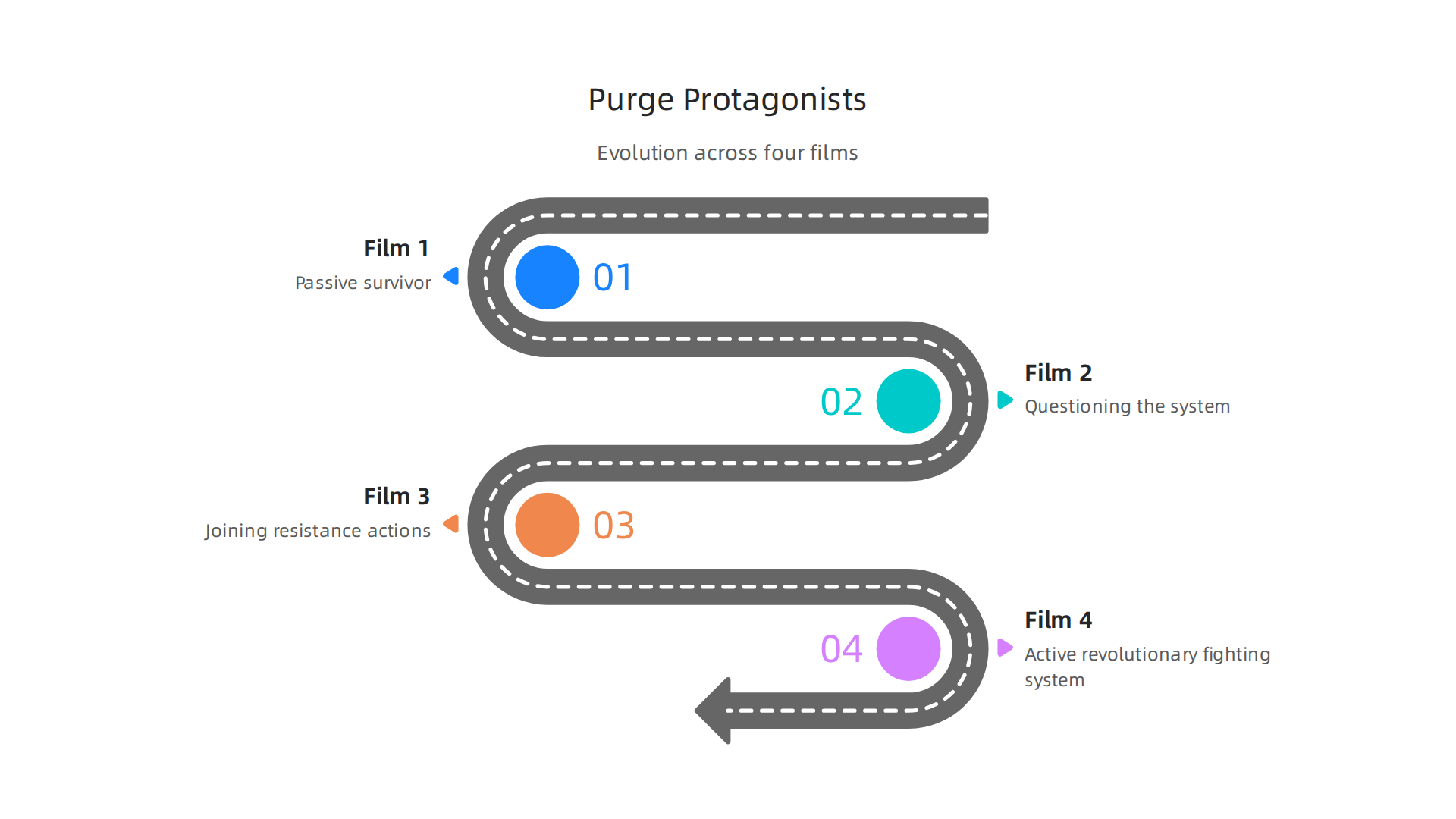
In The Purge: Anarchy, the characters are in the streets. They help strangers. They fight back. By The Purge: Election Year, the main characters are not just surviving. They are leading a rebellion to end the Purge forever.

It is a clear disillusionment arc. The characters start by accepting the system. Then they see its cruelty. Finally, they commit to destroying it.
The way characters develop in fast-paced stories matters a lot here. Each film runs quickly. There is not much downtime. The choices the characters make define who they are. When they choose to help a stranger or fight a Purger, we see their growth.
The antagonists also evolve. In the first film, the villains are random masked strangers. They are scary but hollow. They represent fear without politics. As the series continues, the enemy changes. We meet the NFFA leaders. We see how they use the Purge to control the poor. The analysis on Obscura Lit Mag points out that most victims in the franchise are Black and Hispanic. The villains are not just killers. They represent a system that targets specific communities. The ISI review of Anarchy argues that the anarchy in the films has a real-world logic. The rich create chaos to stay in power.
The narrative structure also grows. The first movie is a home invasion thriller. A single location. A single night. By Election Year, the story spans all of Washington, D.C. It is a city-wide rebellion. The analysis on Psychopopular notes that the franchise explores long-term political consequences. The Liv Hospital guide calls the purge movies a lasting cultural force. That is because they grew with their audience. What started as a simple horror concept became a full political statement.
But not everyone loved the change. The Flixist critique says the series played it too safe. Even so, the expansion from a single room to a national conflict is real. The world gets bigger in every film.
If you like stories about characters who grow and fight against unfair systems, you might enjoy our curated list of Wesley Snipes action and sci-fi films. These movies share similar themes of survival and rebellion. And if you want something that bends reality while making you laugh, Browse All Lists to find your next great watch.
The Purge TV Series: Deepening the World, Expanding the Commentary
The movies told big, fast stories. One night. One city. One rebellion. But what about the people who live between those nights? That is where the TV series comes in.
From 2018 to 2019, The Purge ran as a television show across two seasons. It gave us something the movies never could. More time. More space. More quiet moments where characters sit with hard choices. The psychology of the Purge goes deeper when you can watch someone struggle with a decision for an entire episode instead of a single scene.
The series worked outside the main film timeline. That meant we met new characters. People you might not see in a movie. A young woman trying to survive on her own. A couple facing the moral cost of the Purge in their marriage. A soldier questioning the orders she follows. These stories were personal. They showed how the Purge breaks people slowly, not just in one violent night.
The show also expanded the social commentary. The movies already showed that the NFFA targets poor communities. The series zoomed in even closer. It explored what it means to live in a world where your neighbor could become your enemy once a year. It asked harder questions about loyalty, survival, and what you owe to other people.
Was it as popular as the films? Not really. The show did not bring in the same audience numbers. But for fans who wanted more from the purge movies universe, it was a gift. It proved the world had more stories to tell.
If you enjoy stories about characters trapped in unfair systems, check out our recommendation of Wesley Snipes action and sci-fi films. These movies share similar themes of fighting against powerful forces. And if you want something that twists reality while keeping you hooked, Read Book 1 for a sci-fi comedy where identity and perception go sideways.
The Future of The Purge: Upcoming Projects and Unanswered Questions
As of 2026, there is no official word on a new Purge movie. The franchise has been quiet since the TV show ended in 2019. But rumors keep popping up. Fans talk about a possible prequel or even a full reboot.
Why does the series still feel alive? Because the real world keeps catching up. The themes in these purge movies hit harder every year. Debates about violence, inequality, and government control are everywhere. The franchise had a combined production budget of only $53 million across all films, yet it earned over $450 million worldwide. That kind of success does not just fade away.
So what could come next? There are a few exciting paths.
One idea is a global story. The movies and show stayed inside the United States. But what if other countries tried the Purge? That could open up fresh tension and deeper social commentary.
Another option is a female-led entry. The franchise has strong women, but a story centered on a woman’s perspective could bring new energy. We have seen hints in characters like Jane from The First Purge, but not a full lead role.
And then there is the TV show revival. The series proved the universe works well with longer, slower storytelling. A new season could dig into daily life under the NFFA. It might explore what happens to survivors between Purge Nights.
The cultural relevance of the Purge is still strong. As one writer put it, the franchise saw all this coming years before the rest of us. That keeps people hooked.
If you enjoy thinking about how society could break down, you might also love other movie lists on this site. Check out our guide to the best time travel movies from 2025 and 2026 for more thought provoking sci fi.
And if you want a break from the dark stuff, browse all lists to find something lighter or weirder.
Summary
This article examines The Purge franchise from its low-budget 2013 origins to its larger political ambitions and cultural impact. It explains the simple yet disturbing premise—a 12-hour annual window when all crime is legal—and shows how the films use that idea to explore class, immigration, state violence, and the costs of authoritarian control. You’ll read about the franchise’s financial rise (five films made on modest budgets that became highly profitable), how the stories expand from a single-house thriller to national politics, and how the TV series deepened the world. The piece also links the films to the